
Navigating the Dutch Pharmacy System Without Losing Your Mind
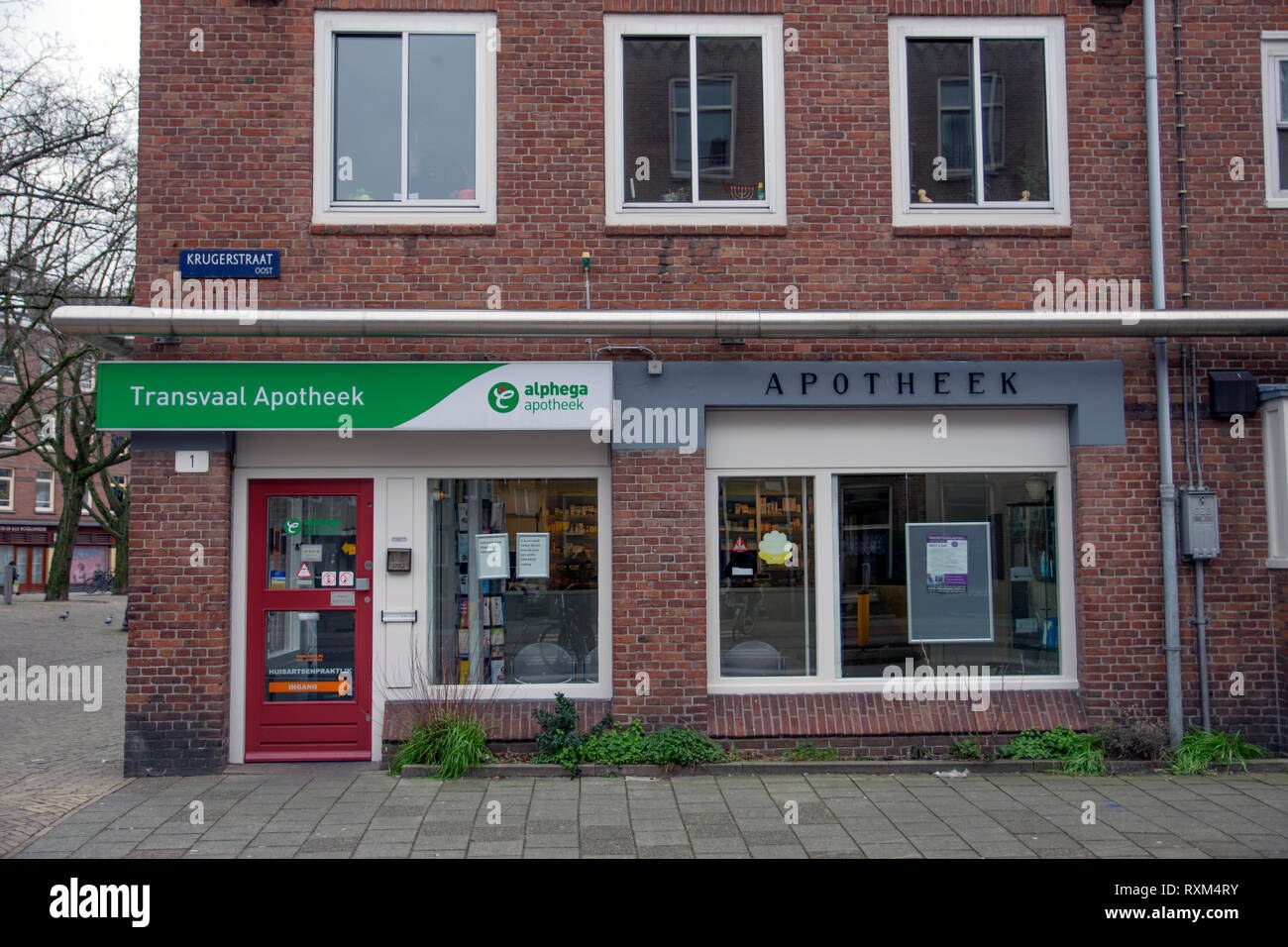
A prescription isn’t just a slip of paper you hand over and walk away with. Most people assume the work is done once the doctor writes the script, but in the Netherlands, the pharmacy is where the actual logistics start. You aren’t just buying pills; you’re navigating a regulated, digitized, and slightly bureaucratic system that requires some prep work before you even step through the door.
It is a mistake to walk into a pharmacy during lunch or right before they close. Most local shops take a midday break, so if you show up at 12:45 PM, you might be staring at a locked door until 2:00 PM. Check the hours on the door or look them up online first, especially if you’re carrying a sick child or heavy bags.
The whole system relies on your digital connection to your doctor. If your GP (huisarts) hasn’t sent the electronic prescription to the pharmacy, the pharmacist can’t help you. It sounds simple, but glitches happen. You might show up with a physical piece of paper only to find the digital system hasn’t updated yet, leaving you standing there looking like a confused tourist.
Getting your ducks in a row
You need to handle the paperwork before you head out. In the Dutch system, everything is tied to your insurance. If you have a Dutch policy, your details are linked to your BSN (Burgerservicenummer). This number is essential; without it, you’re basically a ghost in the medical system.
Make sure your insurance provider is actually linked to your chosen pharmacy. You can’t just walk into any shop and expect them to know your coverage if you haven’t registered. Most pharmacies will have you sign a small contract or consent form during your first visit so they can talk to your insurer and your doctor directly.
The physical items you need to carry are minimal but mandatory:
- Your valid ID or passport.
- Your insurance card (usually a digital card on your phone).
- Your BSN number (if it isn’t clearly on your ID).
- Any previous physical prescriptions you might have.
If you’re an expat or just visiting, things get messy. You can’t simply use a foreign prescription at a Dutch pharmacy without some level of verification. Many pharmacists will refuse to fill a non-Dutch prescription unless it’s been validated or translated, which takes time. Don’t expect a quick turnaround for an international script.
You should also pick a “primary” pharmacy. You can technically use any one you like, but having a regular spot makes refills much smoother. If you have a chronic condition, the pharmacy keeps your history on file, making the reorder process much faster when you realize you’re down to your last few tablets.
The actual pickup process
Once you have your paperwork sorted and you’ve arrived during business hours, the process is fairly predictable. It’s efficient, but it isn’t instantaneous.
- Identification and Verification: The assistant will ask for your ID and insurance card to make sure the person standing there is the person on the prescription. It feels tedious, but it’s a legal requirement to prevent fraud.
- The System Check: They’ll check the digital queue from your doctor. If the prescription is there, the pharmacy starts “processing” it. This is when you might be asked to wait in a corner or in your car.
- The Review: A pharmacist reviews the prescription to check for dangerous interactions with other medications you’re already taking. They look at your entire medical history in the system.
- The Counseling: For many medications, the pharmacist is legally required to ask if you have questions about taking the medicine. This is your chance to ask about timing or side effects.
- The Transaction: You pay your co-pay or your insurance handles it. You then get your medication and a printout of the instructions.
If you’re picking up medication for a family member, you need authorization. You can’t just walk in and demand someone’s heart medication; they’ll ask for a written note or formal authorization to protect privacy.
Many pharmacies have a “medication box” or locker system, too. If you don’t want to wait in line, you can often request that your medicine be placed in a secure locker. You get a code, come back when it suits you, and avoid the queue. It’s a small luxury that saves a lot of time.
| Service Type | Wait Time | Best Time to Go |
|---|---|---|
| Standard Prescription | 15-30 minutes | Morning or late afternoon |
| Specialized/Compounded | Days or weeks | Call ahead first |
| Over-the-counter | Immediate | Anytime |
Sometimes, you might go to a Amster Apotheek apotheek to find specific items that local neighborhood shops might not carry in high volume. If you want something niche, don’t waste your morning driving around; call first and ask if they have it in stock.
What to expect when you walk in
The atmosphere in a Dutch pharmacy is professional and clinical. You won’t find a shop that feels like a grocery store with colorful aisles of snacks. It’s a place of business. There is usually a high counter separating the staff from the customers, which provides a bit of privacy.
The staff often speak English, but they’ll likely respond to you in Dutch if you start in Dutch. If you’re struggling with the language, don’t panic. Most people are patient if you use simple terms. Medical terms can get lost in translation, so have your doctor’s notes or a translation app ready just in case.
The cost structure can be a surprise. Even with insurance, there’s often a “service fee” or “dispensing fee” added to the cost of the medicine. You might see this on your bill as a separate line item. It isn’t the price of the pill itself, but the cost of the pharmacist’s time to check the prescription.
Wait times vary depending on what you’re asking for. If it’s a standard antibiotic, it’s fast. If it’s a specialized liquid or a custom dose, you might be waiting a few days.
It can be frustrating.
If you are picking up something that needs refrigeration, like insulin, make sure you can carry it home safely. Some pharmacies sell small insulated bags, but it’s better to bring your own if you have a long bike ride ahead of you.
When to ask a professional
Don’t be a hero. If you’re unsure about a pill, ask. Many people feel like they’re bothering the pharmacist, but it’s literally their job. If a pill looks different from the one you got last time, even if it’s from the same pharmacy, ask why. Manufacturers change frequently, and the shape or color might have changed.
Speak up if you feel a medication is making you feel strange, even if the side effect seems minor. Sometimes a “mild” headache or nausea is a sign that the dosage is slightly off for your body chemistry. The pharmacist can’t diagnose you, but they can tell you if what you’re feeling is a known side effect or something that requires a doctor.
There are things a pharmacist *cannot* do. They can’t change your prescription or tell you that you need a specific surgery. They are the final gatekeepers of the medication, not the diagnosis. If the medicine isn’t working, the doctor is your only path forward.
- Ask if: The instructions are unclear.
- Ask if: You are taking other supplements.
- Ask if: You are pregnant or breastfeeding.
- Ask if: You have a known allergy to a filler.
If you want something over-the-counter, like something for a cough or a skin irritation, ask the pharmacist for a recommendation first. They are usually more knowledgeable than the people working the aisles in a supermarket, and they can save you from buying something that won’t actually work for your symptoms.
Don’t assume they are being dismissive if they seem brief. They are often juggling several tasks, including checking for drug interactions in the background. Just be direct and clear about what you need.
Pharmacy visits are usually efficient if you follow the rules.
Questions people ask
Can I get a prescription filled without a Dutch doctor?
No, you generally need a prescription from a Dutch GP or a licensed physician within the EU/EEA to obtain medication at a Dutch pharmacy.
Do I need health insurance to use a pharmacy in the Netherlands?
While you can pay out-of-pocket, having Dutch health insurance is highly recommended as most pharmacies bill insurers directly for covered medications.
Can I pick up medication at a pharmacy if I am a tourist?
Yes, but you must provide a valid prescription and be prepared to pay the full cost upfront, as insurance reimbursement for tourists can be complex.
Is there a difference between a 'Apotheek' and a 'Drogist'?
An 'Apotheek' is a licensed pharmacy that provides prescription medication, whereas a 'Drogist' (like Kruidvat) only sells over-the-counter health products and cosmetics.
How much does medication cost in the Netherlands?
Costs vary depending on the medication and your insurance deductible, but many essential drugs are covered under basic health insurance after your deductible is met.