

The Invisible Friction in Your Monthly Budget
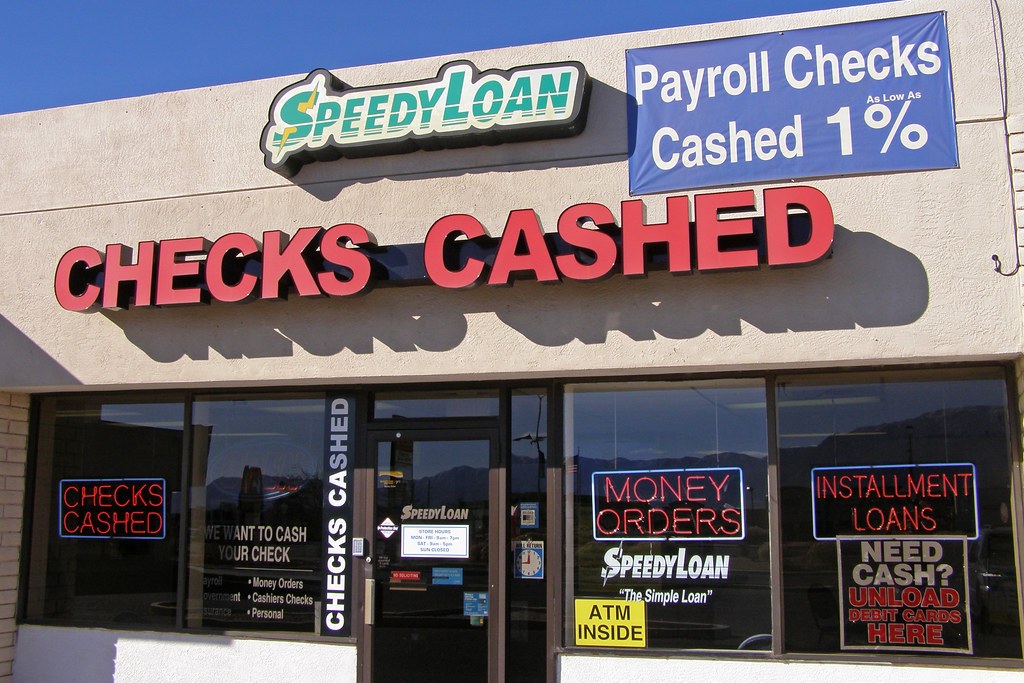
A single, unexpected repair to a kitchen appliance or a sudden dip in your monthly income can trigger a cascade of financial decisions that take months, sometimes years, to resolve. You think you have a handle on your spending, you track the coffee habits and skip the expensive takeout, but life doesn’t care about your spreadsheet. It hits when you aren’t looking, usually right when your savings are at their lowest point of the year.
You’ve probably spent your whole life being taught to save, to squirrel away every penny, and to treat debt like a monster under the bed. But the reality is more nuanced than a simple “save vs. spend” binary. Debt isn’t always a sign of failure; sometimes, it is just a bridge between where you are and where you need to be in a moment of genuine necessity.
The problem arises when that bridge is poorly built. If you find yourself reaching for high-interest credit cards every time a tire blows out or a medical bill arrives, you aren’t just borrowing money; you are borrowing from your future self. You’re trading your tomorrow for a temporary fix, and that’s a trade that rarely ends well for the person on the other side of the transaction.
When you look at the way modern credit works, it feels like navigating a labyrinth designed to keep you turning corners. Terms like APR, compounding interest, and amortization schedules sound like they were invented just to make your head spin during a late-night research session. It is easy to get lost in the jargon and lose sight of the actual cost of the money you’re using.
The Weight of Different Debt Types
Not all money is created equal. If you walk into a bank and ask for a loan, they aren’t just looking at your paycheck; they’re looking at the collateral, your history, and how much they think they can squeeze out of you. There is a massive difference between a mortgage, which is secured by a physical house you can eventually own, and a personal loan, which is essentially a promise written on paper.
Secured debt is often easier to get because the lender has a safety net. If you stop paying your car loan, they take the car. It is a straightforward transaction. Unsecured debt, like a personal loan or a credit card, relies entirely on your reputation and your ability to generate income. This is why the interest rates on those loans tend to be much higher. The lender is taking a bigger gamble on you.
Understanding the Interest Trap
Credit cards are perhaps the most dangerous tools in your wallet because they are so easy to use. They feel like an extension of your cash, but they are actually a high-speed engine for accumulating debt. When you only pay the minimum amount each month, you aren’t actually paying off your debt; you’re mostly just paying the lender for the privilege of staying in debt. It is a cycle that can feel impossible to break once it starts.
Personal loans can be a better tool if you use them correctly to consolidate higher-interest debt. If you have three different credit cards all charging high rates, taking out a single personal loan to wipe them out can simplify your life. You trade multiple moving parts for one single monthly payment. It gives you a clear end date, which is something credit cards rarely provide. If you need a structured way to handle these shifts, FastLendgo can be a useful resource for understanding how those options might look for your specific situation.
The Psychology of Spending
There is a psychological component to borrowing that people rarely talk about in school. When you use cash, you feel the loss immediately. When you swipe a card, that sensation is delayed. That delay creates a cognitive gap between the pleasure of the purchase and the pain of the payment. This gap is where much of our financial instability is born. We lose the connection to the reality of our bank accounts because the digital numbers don’t feel real until the statement arrives at the end of the month.
The Hidden Mechanics of Loan Approvals
You might think that having a decent job and a steady paycheck is enough to get you the money you need. In the modern era, that is rarely the case. Lenders use algorithms that look at hundreds of data points, some of which you might not even know exist. They look at your history, your debt-to-income ratio, and how often you apply for new credit in a short period. They are trying to predict your future behavior based on your past mistakes.
This can feel incredibly invasive. You might have had a single bad year due to a medical emergency or a job loss, but the algorithm doesn’t care about your story; it only cares about the numbers. It sees a pattern of instability where a human would see a temporary setback. This is why people often find themselves stuck in a loop where they can’t get the credit they need to fix the very problems that ruined their credit in the first place.
| Loan Feature | Secured Loan | Unsecured Loan |
|---|---|---|
| Collateral Required | Yes (e.g., House, Car) | No |
| Interest Rates | Typically Lower | Typically Higher |
| Risk to Borrower | High (Loss of Asset) | Moderate (Credit Damage) |
| Approval Speed | Slower (Appraisal/Verification) | Faster (Automated) |
When you are comparing different services, you have to look past the monthly payment. A low monthly payment often means you are paying that loan for a much longer time, which increases the total amount of interest you will pay over the life of the loan. It is a classic trade-off. You can have a small payment now and a massive total cost later, or a large payment now and a quicker path to freedom.
Consider a man named Arthur who needed a new transmission for his delivery van. The repair was expensive, and he didn’t have the cash sitting in a drawer. He took out a small, high-interest loan for three years just to get back on the road. He thought the small monthly payment was a win until he realized he was paying for two transmissions by the time he was finished. That is the math of debt that catches people off guard.
Building a Buffer Before You Need It
The best way to handle a loan is to decide you don’t need one before you actually require it. This sounds like obvious advice, but it is incredibly difficult to execute when your cost of living is rising every single year. Creating an emergency fund is less about the specific amount of money and more about the psychological safety it provides. It changes how you react when the unexpected happens.
Instead of panic, you feel a sense of management. You realize that the broken water heater is just an inconvenience, not a catastrophe. This shift in mindset is the difference between being controlled by your finances and being the one in charge of them. It takes time to build, and it requires a level of discipline that most people find uncomfortable, but the peace of mind is worth the discomfort of saying no to things you want in the short term.
The Role of Automation
One of the most effective ways to build this buffer is to remove yourself from the decision-making process entirely. If you have to decide every month whether or not to save, you will eventually decide not to. If the money moves from your checking account to a separate savings account the moment your paycheck hits, you adapt to the new balance. It becomes the new normal. You learn to live on what is left over, which is usually exactly what you need to do.
The Concept of Liquidity
You also have to consider how quickly you can get to your money. Not all savings are created equal. Money sitting in a 401(k) or a long-term CD is great for your future, but it is useless if your car breaks down today. You need a tiered system of savings. You need a small amount of cash that is immediately accessible, and then you can start building the larger, more restrictive layers that are harder to touch. This structure prevents you from raiding your retirement to pay for a temporary emergency.
Navigating the Digital Debt Market
The way we access credit has changed more in the last ten years than it did in the previous fifty. We no longer have to walk into a local branch and sit across from a loan officer who knows our family. Now, we apply via apps on our phones, often receiving an answer in seconds. This speed is convenient, but it comes with a hidden cost: the loss of human nuance. You are being judged by a piece of code that has no empathy for your specific circumstances.
This digital landscape is crowded with options, some of which are legitimate financial tools and some of which are designed to prey on people in desperate situations. You have to be incredibly careful when you are looking for quick cash online. The ease of the application process can sometimes mask the predatory nature of the terms being offered. If a lender makes it sound too easy, it is probably because the cost of that ease is built into the interest rate.
You should always compare the total cost of borrowing. It is easy to get distracted by a low monthly payment or a “no credit check” headline, but those are often red flags. When you look at the math, you need to see exactly how much you will have paid back by the end of the term. If the total repayment is double or triple what you borrowed, you are not just borrowing money; you are entering into a very expensive relationship that you might not be able to escape quickly. It is a hard pill to swallow, but it is the only way to stay in control of your own life.
Don’t let the convenience of modern credit trick you into thinking that debt is free.